When you walk outside on a busy day, you can feel the air all over your skin and hair. You can picture all of the dust and smoke and even invisible pollutants settling onto your strands even before you get to your destination. All of the accumulated exposure over time will make hair appear dull, dry, and at times unmanageable. You may wash your hair several times per week, switch shampoos or oils, and somehow the dullness returns.
What people do not recognize is that it may not always be about the products you are using; it may be about how to protect your hair from the environment. Pollution and dust do not just ruin hair; they weaken the scalp, dry it out, and, if neglected, cause hair to fall out.
The good thing? A few adjustments and a little caring for hair and scalp can be very beneficial. Today, we will know how to protect hair from dust and pollution with engaging steps and simple habits. If you live in a heavily populated metropolis or take advantage of traveling frequently, these steps can help preserve your hair health, cleanliness, and strength, outdoors.
Also Read: Can I use hair serum daily?
Ways to Shield Hair from Dust and Pollution
When you are outside, your hair is always exposed to dust, smoke, and the increasing pollution in the air. Although we do not have any control over the air, we can control how we protect our hair. Knowing how pollutants affect your hair makes it easy to make small, simple decisions every day that help keep your hair clear, fresh, and healthy.
1: Dust and pollution can quickly lead to greasy hair that feels rough and dry, as well as dull.
2: Pollutants are stripping your hair of its natural shine and leaving it lifeless.
3: Free radicals irritate the scalp, leading to irritation, itchiness, dandruff, or bumps.
4: Build-up makes hair feel dirty after washing it.
5: Every day exposure damages the roots and hair and slows overall growth.
The good news is that once you know how to protect hair from pollution and dust, you will be able to prevent most of this damage. By changing your habits, your hair can stay healthy, soft, and strong, naturally, even if you are outdoors for hours.
Everyday Hair Care Practices for Outdoor Protection
Your daily habits definitely play a vital role in how your hair will react to pollution. These little and consistent habits will not only provide hair protection but will also keep it cleaner and healthier. Here are some simple ways on How to protect hair from pollution in your everyday routine:
1: Hair can be protected by covering it with a hood, hat, or scarf to prevent dust or fumes from entering the hair.
2: Keep using light leave-in conditioners or leave-in oils to create a barrier.
3: Keep hair tied up in braids/buns to reduce exposure.
4: Avoid touching your own and others’ hair outside to eliminate the chance of dirt being transferred.
5: Rinse hair in plain water after returning home if hair has been exposed to polluted areas.
As you incorporate some of these activities into your routine, you will quickly notice that your hair is more manageable, cleaner, and fresher when exposed to pollutants and dust.
Best Practices for Washing and Cleansing
How you clean your hair is an important component of learning how to protect hair from dust and pollution. Too much washing strips hair of its natural oils, while not washing enough allows dirt and pollutants to build up. A middle-ground approach will keep your hair clean, smooth, strong, and healthy.
1: Washing your hair 2-3 times a week will stop a build-up of dirt and grime, and also ensure that you avoid drying out your hair.
2: Use a sulfate-free shampoo, and be sure to use a conditioner after washing.
3: Use your fingers to massage your scalp while washing to get rid of dirt and increase your circulation.
4: Lastly, rinse with lukewarm water so that you keep moisture in your hair and around your roots.
5: Consider using a natural rinse like aloe vera or apple cider vinegar once a month.
These tiny-but-smart things, when combined, can be a big deal when you’re trying to learn how to protect hair from pollution. You will find that your strands are fresher, stronger, and manageable.
Strengthening Your Hair from the Inside Out
Protecting your hair isn’t all about the topical application; nourishing your body is a huge part of the equation as well. Strong hair follicles and a healthy scalp create a solid defense against dust and pollution. Here are a few examples of how to create inner strength for long-lasting hair protection.
Nutrition That Protects Your Hair
What you take in relates to the quality of your hair. A good diet builds resiliency to outside forces.
1: Add vitamins A, C, D, and E for a healthy scalp.
2: Eat fruits and vegetables that are colorful and high in antioxidants.
3: Add protein sources, such as eggs, lentils, and fish, for stronger follicles.
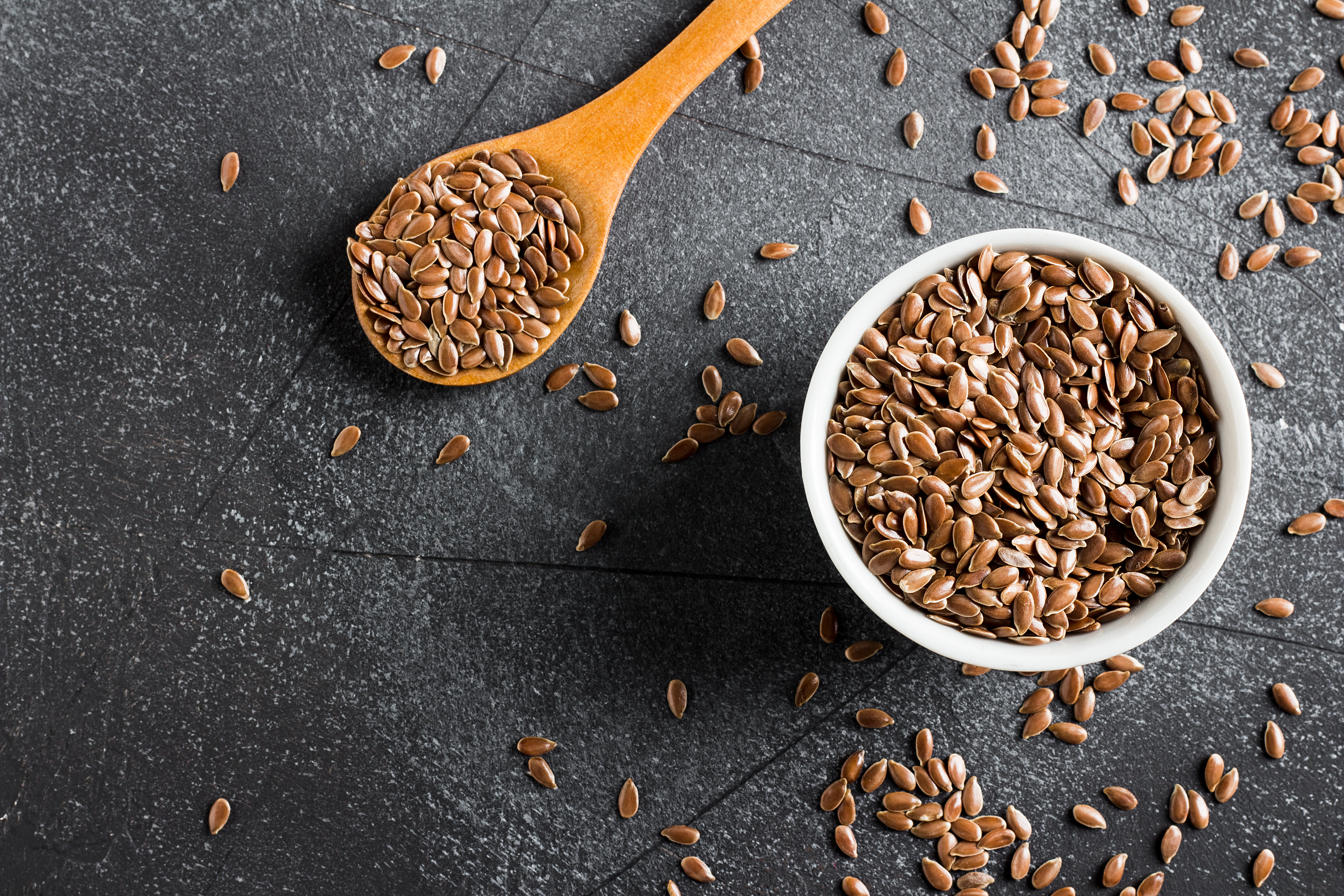
4: Take omega-3s in nuts, seeds, and high in oil fish for shiny hair.
Hydration and Scalp Care
1: Once your body and scalp are better hydrated, you can resist pollutants.
2: Drink lots of water so your body is nourished to hydrate your scalp from the inside.
3: Apply natural oils like coconut or almond oil to your scalp. They help form a protective barrier against dust and dryness.
4: Don’t use chemicals or weighty products that weaken the scalp barrier.
When you nourish your body and scalp, you will see your hair showing more shine, strength, and resiliency. When the inner care is coupled with outer habits, your hair will be well looked after, and you will be more effective in how to protect your hair from pollution and dust over the long term.
Also Read: How to know if you have low or high porosity hair?
Lifestyle Changes for Long-Term Protection
Your daily habits affect the overall well-being of your hair. While you are washing and caping your strands, there is a significant, long-term exposure to dust and pollution that will always require some care. Making a few thoughtful adjustments to your lifestyle can make a massive difference in keeping your hair strong and clear.
Reduce Heat and Chemical Styling
Over-styling breaks down already over-stressed hair from pollution.
1: Minimize the use of blow-dryers, flat irons, and curling wands.
2: Do not have chemical treatments, like color, perms, or relaxers, done too often.
3: Use natural or more gentle styling products whenever possible.
Deep Conditioning and Repair
Routine nourishment is a key component in restoring the things pollution robs.
1: Schedule a deep conditioning treatment once a week to restore lost moisture.
2: Masks should contain honey, aloe vera, or keratin.
3: Consider overnight hydration treatments as a preventative measure.
Nighttime Hair Maintenance
While you sleep, your hair can still be cared for.
1: Before bed, loosely cover your hair with a breathable scarf or cap.
2: Use silk or satin pillowcases.
3: Detangle your hair gently at night, especially if you tend to sleep with it loose. This will help keep some of the pollutants from sticking to your knots.
The shifts you are making in how you take care of your hair are not only ways to help prevent surface damage but also develop habits that provide strength over time. Once habits become a part of your routine, it will also be easier to take care of your hair in an everyday way, without needing to think about how to protect hair from pollution and dust.
Quick Fixes for Busier Days
Sometimes a busy schedule means that there just isn’t time to complete a full hair care routine. But, whether it’s smog, smoke, or dirt that you are protecting your hair from, freeways to protect your strands when you’re in a time crunch will still help them stay looking fresh. Here are a few ideas on how to protect hair from dust and pollution if you feel you don’t have time to complete a full hair care routine:
1: Tie your hair back in a bun or braid to avoid exposure.
2: Have dry shampoo close by so it feels fresh if you’ve been outside all day.
3: A good rinse with plain water cleans off the dirt at the surface.
4: Use a very light serum or spray as a buffer.
5: Carry a scarf or hat everywhere to create an easy cover.
Even these four easy steps, when done each time, will help keep your scalp clean and prevent long-term hair damage. Every small amount of effort can help you visibly see some unique ways to protect hair from pollution and dust in your everyday life.
Also Read: Is it okay to comb wet hair?
Conclusion
While there may not be much you can do to avoid dust and pollution, you have total control over how you care for your hair. From protecting your hair from the elements outdoors to washing your hair consciously and nourishing from within, small changes truly amount to lasting defense. You will see it is easy to maintain strong, clean, and healthy, natural hair by adopting these habits.
If you have been asking yourself how to protect hair from dust and pollution, simply start with 2 or 3 of the tips in this guide and stick with them. Your hair will reward you with resilience, shine, and confidence each day.
FAQs
1. What is the impact of dust and pollution on hair?
Dust and pollution rob the hair of its natural oils, contribute to dryness, and have negative effects on the healthy scalp.
2. How often do I need to wash my hair to protect it from pollution?
Two to three times a week, using a gentle shampoo is preferable.
3. What are the most effective remedies to naturally protect the hair from pollution?
Aloe vera, coconut oil, neem water, and apple cider vinegar are all effective.
4. Does wearing a cover help protect the hair from dust and pollution?
Wearing a scarf, or hat, or a hood is indeed a good barrier for protection against dust.
5. How does diet assist in protecting hair from pollution?
Eating natural proteins, omega-3s, and vitamins will greatly assist in healthy, shiny hair.
6. What is the fastest and easiest way to protect the hair on a busy day?
A braid, a quick vitamin-infused serum, or a scarf would help, as well.
7. Can pollution affect your hair’s fallout?
Yes, pollution can weaken the hair root bulb on the scalp and also be a contributing factor in hair loss.
8. Is using dry shampoo helpful in protecting hair from pollution?
Using dry shampoo is certainly very handy to freshen greasy hair, but it will do little to remove context, dirt, and pollutants that may have settled in.
9. How can you keep your scalp healthy in a polluted environment?
Regular massages, hydrating, and avoiding harsh chemical treatments will help.
10. What long-term habits assist in protecting the hair from pollution?
Deep conditioning, reducing heat usage on hair, and a balanced diet help.