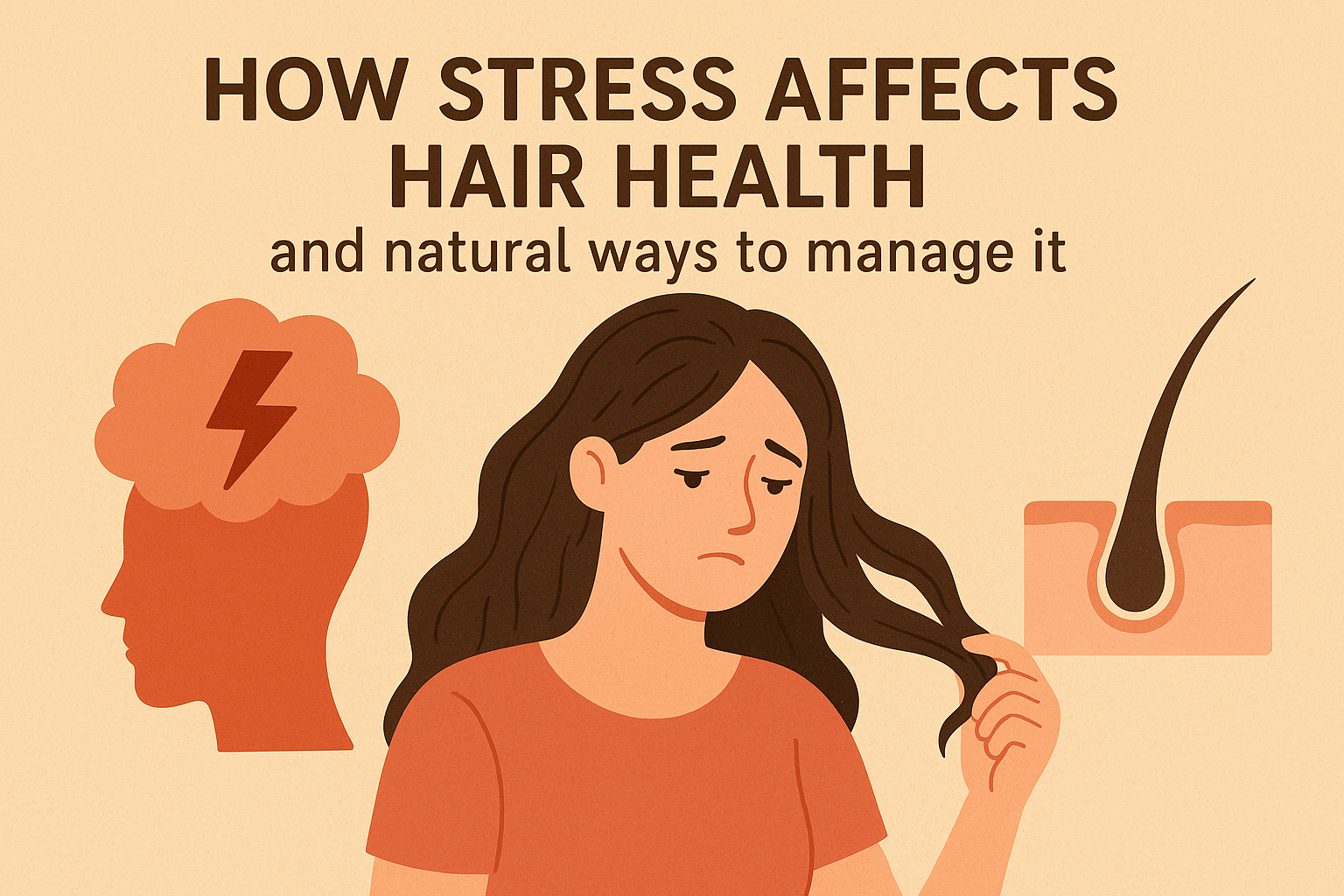
Imagine you’ve had an exhausting day, you unwind and get into bed, and just like that, you notice that more hair than normal has shed on your pillow and in the shower drain. You panic and wonder if this is temporary hair loss or permanent? Learning about the different types of hair loss is the first part of knowing what to do and how to protect your hair.
Learning about the signs of temporary hair loss from permanent thinning is important because your response time will affect your current level of hair loss. The involvement of temporary hair shedding, with proper treatment, can stop the shedding; however, to address the causes of permanent hair loss, it is crucial to treat it promptly for the health of your hair. With sound knowledge and the right actions, you will keep your hair healthy, strong, and have good confidence.
Also Read: Is It Bad to Sleep with Wet Hair?
Understanding the Distinction Between Types of Hair Loss
Millions of people experience hair loss; however, hair loss is not equal. By understanding the different types of hair loss, you can understand whether you are experiencing temporary or permanent hair loss, and ultimately help guide you with the appropriate intervention if desired.
Common types of hair loss include:
Telogen Effluvium
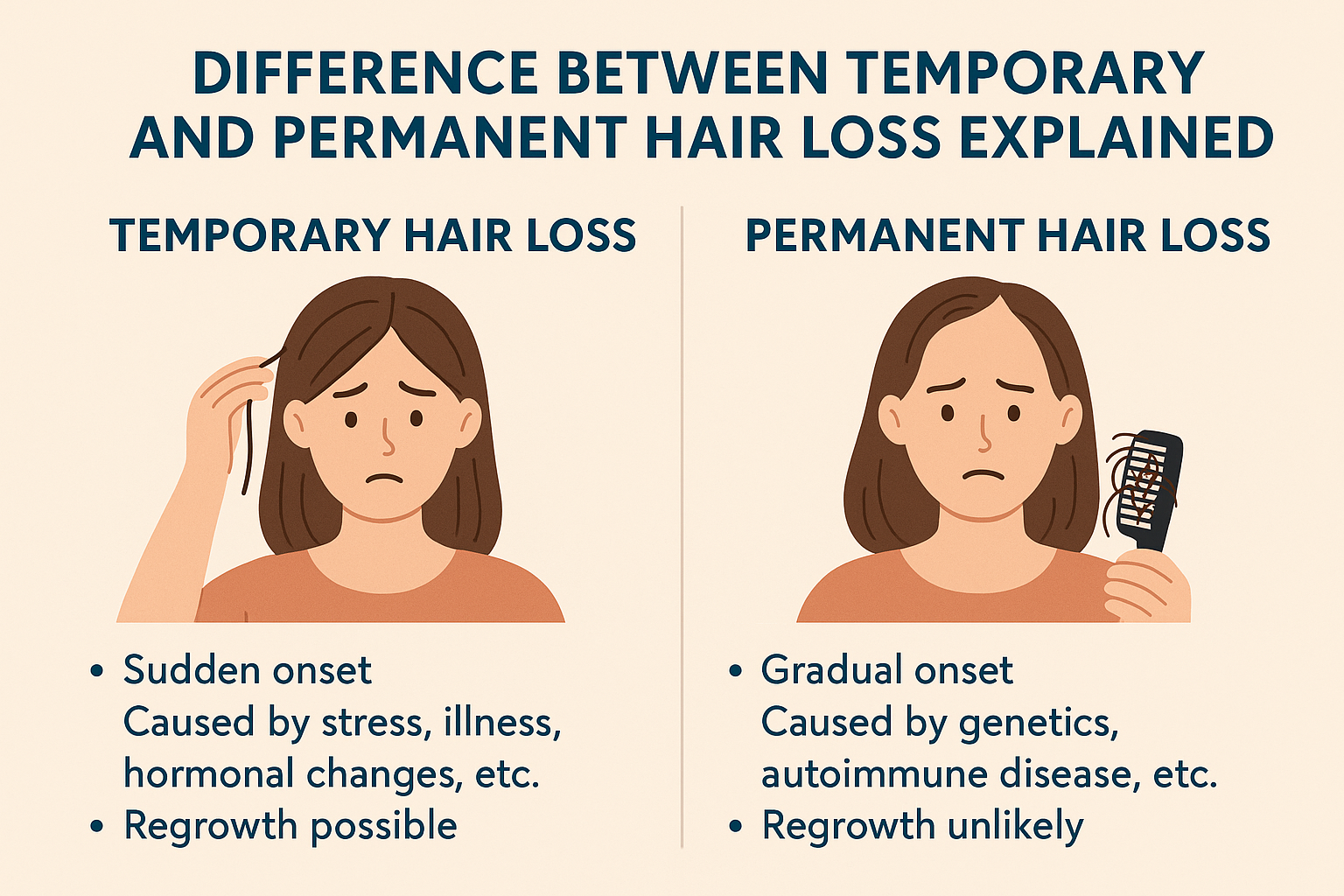
It is often a temporary type of hair loss that occurs when stress, illness, or a hormonal change forces your hair to shed sooner than it normally would. In telogen effluvium, if the cause of the hair loss is treated, new hair will likely regrow as it typically would.
Alopecia Areata
An autoimmune disorder that causes sudden patchy hair loss. In many cases, with treatment and care, regrowth is possible.
Androgenetic Alopecia
It is also known as male or female pattern baldness, which is a permanent condition that has a genetic and hormonal component to it.
Scarring Alopecia
This is rare, but permanent. Scarring Alopecia occurs as a result of the destruction of hair follicles because of inflammation or damage.
By understanding these types of hair loss, you should be able to recognize the signs of temporary hair loss sooner and determine whether the causes of permanent hair loss could be at play. When you are aware of normal shedding and unique patterns with how your hair behaves, you are in the best position to protect and maintain the greatest amount of hair possible.
Also Read: Is It Bad to Sleep with Wet Hair? Here’s the Truth
Identifying Temporary Hair Loss
Temporary hair loss can be disconcerting, but if you understand the signs of temporary hair loss, you can respond appropriately and with a cool head. In contrast to permanent thinning, which is permanent, temporary shedding is likely to return to normal when the underlying cause has been addressed.
These are common signs of temporary hair loss:
1: An Increase in Shedding. The first signal is that you notice you’re shedding more hair than you are used to, on your pillow, your comb, or your shower drain.
2: Diffuse Thinning. Hair is thin across the scalp rather than in one or two patches; the entire hair structure looks thinner.
3: Visible regrowth. After about 6 weeks or so, you will likely see fine, new hairs start to grow.
4: Stress and Illness. Most temporary shedding follows a time of either physical or emotional stress, major illness, or changes in medication.
Identifying these signs early will enable you to make some changes, like improving your nutrition, reducing stress, or perhaps changing medications, so that your hair can return to a normal growth pattern. Most importantly, temporary hair loss is typically reversible, so you have a clear path back to healthy hair, which is a motivational consumer experience.
Reasons for Temporary Hair Loss
Temporary hair loss can have numerous causes, but fortunately, most are reversible after being addressed. By identifying triggers, you can take proactive steps to restore healthy hair.
Some of the most common triggers for temporary hair loss include:
1: Stress or Emotional Trauma: High stress levels have been shown to push hair follicles into the shedding stage.
2: Hormonal Changes: Pregnancy, childbirth, menopause, and/or low thyroid function are common causes of temporary shedding.
3: Serious Illness or Surgery: Serious illness, infection, or surgery can alter the hair growth phase and cause shedding.
4: Medicines: Some medicines, such as chemotherapeutic agents, anticoagulants, and some antidepressants, can impact hair loss.
5: Nutritional Deficiencies: Low levels of iron, protein, or other vitamins can weaken hair and lead to shedding.
6: Extreme Weight Loss: Extreme weight loss and rapid loss may change the ability to absorb nutrients, which could interfere with hair growth.
7: Physical Trauma: Excessive styling, excessive heat, and/or chemicals can cause temporary damage to the hair, resulting in shedding.
Most scenarios of temporary hair loss will get better or reverse when the cause is removed. Be aware of these causes, and with simple and small changes in lifestyle, you can significantly improve the health of your hair, along with regrowth.
Also Read: What vitamin deficiency causes hair fall the most?
Reasons for Permanently Losing Hair
Permanent loss of hair occurs when the follicles can no longer produce hair, or because genetics produces long-lasting thinning. Identifying the cause of permanent hair loss can expose risk factors that could harm the quality of your hair early enough to take preventative measures to keep your hair.
The most common causes of permanent hair loss include:
1: Androgenetic Alopecia: The genetic predisposition toward the DHT hormone causes progressive hair follicle thinning.
2: Scarring Alopecia: Inflammation, such as in lupus, destroys hair follicles and is irreversible.
3: Autoimmune Conditions: In palpable form, alopecia areata can cause irreversible damage to hair follicles.
4: Trauma or Injury: Burns, wounds, or surgical scars can destroy hair follicles in the area.
5: Chronic Infections: Fungal infections or bacterial infections of the scalp that persist chronically can result in significant and permanent damage to hair follicles.
6: Medical Treatment: As with radiation, radiation treatment can render an area of irreversible hair loss, skin alone (area treated).
Often, permanent loss of hair will progress if left untreated and cannot be reversed, but immediate detection, suitable treatment, and hair restoration strategies can slow progression or promote limited regrowth that the individual can use to achieve a thicker, healthier look.
How to Diagnose Hair Loss
An accurate diagnosis is critical to figuring out if you have temporary vs permanent hair loss and selecting the appropriate treatment. A technician’s inspection can pinpoint the real culprit and keep it from spreading.
Routine diagnostic techniques are commonly used.
1: Medical History Review: Your physician will ask about family history, recent illness, medications, diet, and stress.
2: Physical Scalp Exam: Identifies characteristics, inflammation, or scarring of known distinct types of hair loss.
3: Pull Test: gently pulls a few hairs to see how easily they come loose.
4: Blood Tests: detect hormonal, thyroid, or nutrient deficiencies typical of temporary hair loss symptomatology.
5: Scalp Biopsy: A small piece of scalp skin is microscopically examined to confirm scarring or inflammatory disorders on it.
6: Dermatoscopy: It uses a handheld device to look at the follicle and assess the condition of the hair.
An accurate diagnosis will help not only to clarify if you are experiencing temporary, non-scarring hair loss or permanent hair loss, but it will also ensure that any treatment you start is safe, precise, and effective. The earlier you act, the better the odds are of saving your hair.
Also Read: How long does it take for hair to grow back after hair fall?
Effective Solutions to Restore Healthy Hair and Maintain Healthy
No matter whether one is facing temporary or permanent (androgenetic) hair loss, there are many approaches that can be taken to restore/ protect healthy hair. Typically, the best results arise from a combination of changing lifestyles, medications, and personal hair care.
In the case of Temporary/Avoidable Hair Loss:
1: Nutrition: Make sure to get enough protein, iron, zinc, biotin, vitamins A, C, D, and E.
2: Stress Management: Practice stress management strategies such as yoga, meditation, and relaxation to slow your hair shedding.
3: Low Intervention: Avoid heat, chemicals, and tight styles
4: Topicals: See if mild minoxidil, or a natural serum might stimulate regrowth
5: Cause: Address hormones, thyroid, or other nutrient issues, fast.
In the case of Permanent Hair Loss:
1: Medications: Finasteride (in men) or minoxidil may allow hair loss from androgenetic alopecia to slow down
2: Hair Restoration: FUE or FUT surgery can restore fullness.
3: Laser Treatments: Low-level laser treatments (LLLT) may provide stimulation of hair follicles in patients with androgenetic alopecia
4: Scalp Micropigmentation: Provides the illusion of fuller hair in patients.
Even for permanent balding, combining medical treatments with healthy habits and scalp care will still help you achieve the maximum results and feel good about yourself.
Conclusion
Whether hair loss is temporary or something permanent in nature, knowledge is your best friend. Knowing how to recognize the early signs of temporary hair loss and how to address the reasons for permanent hair loss, here are a few things you can already do to protect and potentially restore your hair.
If you can detect hair loss early enough and have the right treatment and a care plan in place. With an early diagnosis, treatment, and support, it is possible to achieve healthier and stronger hair. Don’t wait to see how bad the shedding will get, but if you are losing your hair, nourish your scalp, try to control your stress, and seek evidence-backed solutions to stop hair shedding. The sooner you begin working on your hair’s future, the better.
Also Read: What are the early signs of hair thinning?
FAQs
Can hair loss occur from seasonal changes?
Yes, seasonal changes often result in shedding, which many people notice especially in the fall and spring.
Can hair loss come from shampoo being used often?
No, frequency of shampooing doesn’t make hair fall; it can only remove the hair that is already shedding.
Can long-term use of hats or helmets cause baldness?
Long-term friction or pressure can cause breakage; however, it is rarely damaging to hair follicles permanently.
Is dandruff associated with hair loss?
Dandruff does not cause hair loss, but the scratching that is sometimes associated with itching can weaken hair shafts.
How does age affect our hair density and growth?
The density of hair is naturally thinner and may grow more slowly with age due to less follicle activity.
Can exposure to chlorine in swimming pools affect our follicles?
Chlorine can weaken hair shafts and dry the scalp, but it doesn’t ever kill follicles.
Is sleeping position one of the causes of hair loss?
Not in itself, but sleeping position can lead to consistent friction with the pillow against the same areas of your head, which may result in breakage.
Are there subtle changes beforehand to noticeable thinning?
Yes, often people notice subtle changes in hair texture, volume, or even the width of the part prior to being able to see thinning.
Can scalp massages help with hair loss?
They might improve circulation and scalp health, which could encourage hair growth, but won’t reverse genetic loss.
Can poor blood circulation cause baldness?
Poor circulation might weaken follicles, but it almost always causes only a portion of hair loss.