
Blogs
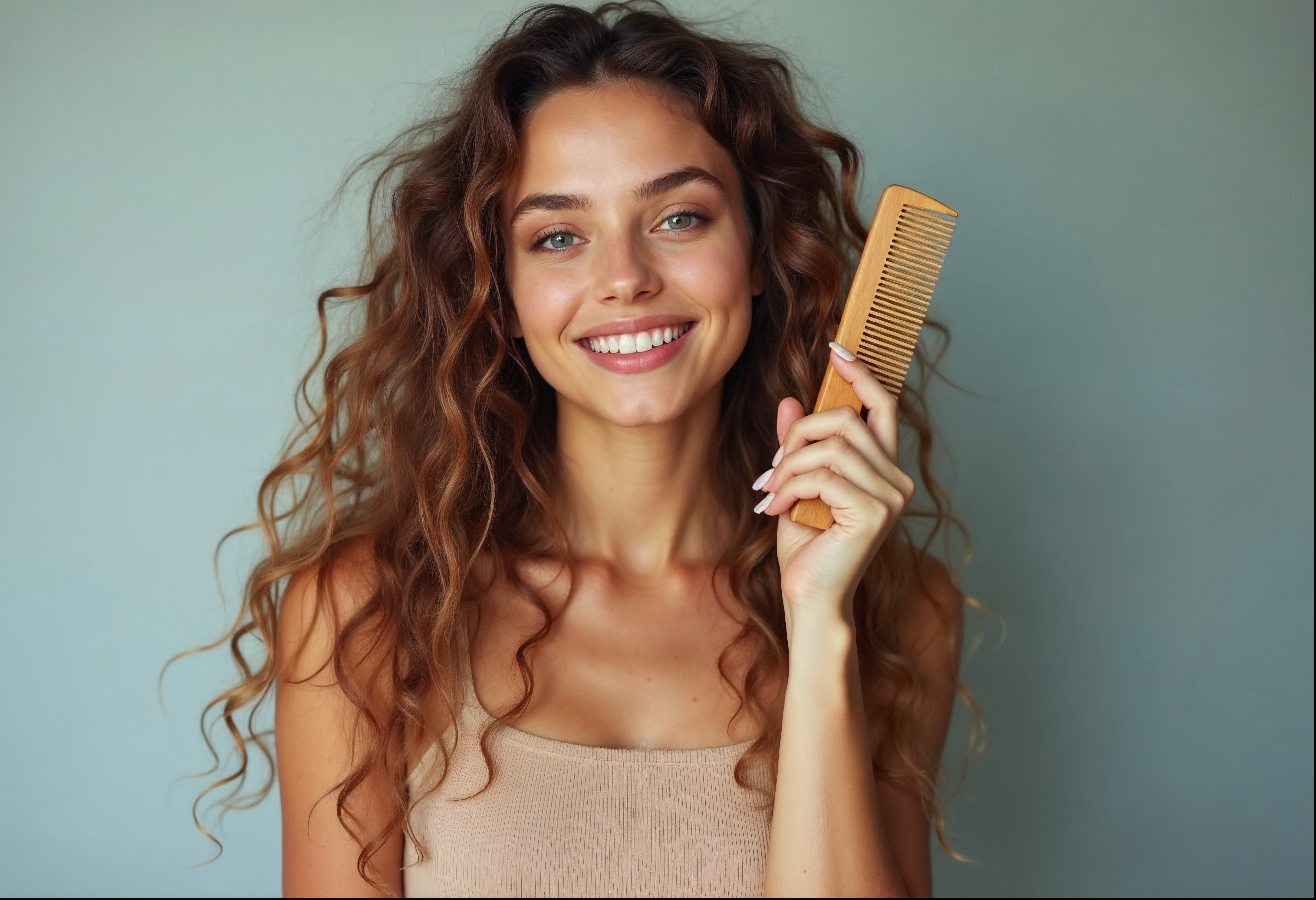
If your hair turns frizzy or your scalp feels itchy in humid weather, it’s because moisture in the air really does affect both your hair and scalp. Having the right hair care in humid weather can make the difference between soft, defined locks and a frizzy halo you can’t control. Whether you’re battling scalp irritation or figuring out how to manage frizzy hair in humidity, understanding how moisture in the air interacts with your strands is the first step. And if you have waves that tend to puff up, a smart routine of hair care for wavy frizzy hair will help you stay smooth, polished, and comfortable no matter how high the dew point climbs.
Also Read: How Stress Affects Hair Health and Natural Ways to Manage It
What Humidity Does to Hair?
Hair is made up primarily of keratin, a protein that has a natural affinity for water. This capacity to take up water is the reason why hair can quickly respond to humidity. When humidity exists, the hair shaft will swell in diameter (not length) so that the uneven transformation swells the hair’s cuticle, making the hair feel rough and frizzy.
If your hair is naturally porous or has been made more porous by coloring, heat styling, or chemical treatments, it will take in moisture even faster and swell more dramatically. That’s why hair care for wavy frizzy hair requires more sealing and protective steps in humid climates
Bottom line: The more moisture your hair absorbs from the air, the harder it is to maintain a smooth finish. The solution is to hydrate it properly first, then seal it to keep extra humidity from interfering.
Why Frizz Happens and How to Prevent It
The root cause: When moisture enters the hair shaft unevenly, it lifts the cuticle and throws the strands out of alignment, creating frizz.
The fix: Limit how much outside moisture your hair can absorb, keep the cuticle smooth, and lock your style into place.
1: Hydrate wisely: Well-moisturized hair is less likely to pull in extra water from humid air. When hair takes in too much moisture, it can lose its bounce and feel heavy, flat, and overstretched. Strive for a healthy balance.
2: Smooth and seal the cuticle: Look for conditioning products that use cationic agents and lightweight silicones. The result is a smoother hair surface, which creates less friction between the strands, reduces frizz and also helps to lock down the cuticle.
3: Lock it in: When your style is set, apply a humidity-resistant cream, gel, or mist. This adds a barely noticeable shield that keeps extra moisture from working its way in, helping your hair stay in place even when the air is warm and damp.
Also Read: How to Use Flaxseeds for Healthier, Shinier Hair
Scalp Itch and Flakes in Humid Weather
When the air is heavy and damp, it’s not just your hair that reacts; your scalp feels it too. The mix of heat, sweat, and natural oils can throw things off balance, and that’s when scalp yeast tends to grow more than usual. For some people, this means dandruff flares up; for others, it can trigger seborrheic dermatitis.
On really sticky days, sweat can cling to your scalp along with leftover product and oils. That build-up doesn’t just feel greasy; it can make your head itch, and in some cases, little bumps can pop up.
The easiest way to keep it in check is to wash your hair as often as it actually needs it, every day if your scalp gets oily fast or you’ve been sweating. If flakes are a problem, swap in a shampoo with ingredients that calm the scalp or target yeast growth. And if you’ve been in the heat for hours or worked out hard, rinsing your scalp as soon as you can makes a big difference.
A Core Routine for Hair Care in Humid Weather
Think of this as a baseline plan you can adjust for your hair type and lifestyle.
1. Wash Day
1: Wash day usually starts with the shampoo.
If your scalp gets oily quickly or tends to itch, keep an anti-dandruff or antifungal shampoo in the mix, maybe once or twice a week. Work it into your scalp and let the lather slide down the rest of your hair; no need to scrub the lengths. If your scalp is on the drier side, a mild, sulfate-free shampoo will be kinder. When it’s hot and sticky out, you might find yourself washing more often just to feel fresh.
2: Conditioner comes next, but be picky.
Work it through from about halfway down to the ends. If you’re scanning labels, names like behentrimonium chloride or amodimethicone are good signs; they’re there to help smooth the cuticle and keep frizz from setting in.
3: Once a week, give your hair a treat.
If it’s on the porous side, often the case with colored or heat-styled hair, use a bond-building or protein mask. It’s like a structural tune-up, helping it hold its own against the extra swelling humidity causes.
4: Finish with a little insurance.
A light leave-in conditioner is a solid base, and on top of that, a humidity-resistant cream or gel can help your style last past lunch. If the ends feel rough or dry, rub a drop or two of hair oil between your palms and smooth it over.
2. Styling for Humidity Control
Aim to style your hair when it’s damp, not dripping wet. If it’s holding too much water, it’ll soak up product unevenly and take longer to set.
Work in an anti-humidity cream or gel, then scrunch or twist sections so your natural wave or curl pattern falls into place.
When it’s time to dry, keep things gentle, use a diffuser on low heat and low airflow, or let your hair air-dry without fiddling with it. The less you touch it, the smoother it will stay.
3. Midweek Maintenance
If your scalp starts feeling sweaty or itchy before your next wash day, a quick cleanse can work wonders. Focus on massaging the roots, and let the rinse water run down the lengths to freshen them up without stripping moisture.
For sudden frizz, lightly mist the trouble spots with water or a curl refresher spray. Then smooth a small dab of leave-in conditioner or gel over the area and leave it alone to dry, resisting the urge to keep adjusting it will give you the best results.
Also Read: Difference Between Temporary and Permanent Hair Loss Explained
The Best Ingredients for Humid Weather Hair
For frizz control:
1: Film formers, including polyquaterniums and acrylates, are used to block excessive moisture.
2: Cationic conditioners to help with smoothness and slip.
3: Lightweight silicones to create a breathable yet effective seal.
For scalp comfort:
1: Antifungal agents such as ketoconazole or zinc pyrithione to address dandruff.
2: Soothing botanicals such as tea tree or aloe to quell irritation.
For balanced hydration:
1: Humectants, such as glycerin in extremely humid weather, can be used sparingly, or in combination with film formers to prevent excessive absorption.
A Humidity-Ready Routine for Wavy, Frizzy Hair
Wash Day:
1: Shampoo the scalp only, using a gentle formula or dandruff active if needed.
2: Condition the mid-lengths and ends.
3: Apply a leave-in conditioner to damp hair.
4: Layer on an anti-humidity cream or gel and scrunch to enhance waves.
5: Diffuse or air-dry without touching.
Non-Wash Days:
1: Do a scalp-only cleanse if needed.
2: Refresh waves with a light mist and a touch of gel or foam.
Weekly:
1: Use a strengthening or protein mask to help maintain wave definition and reduce frizz.
Also Read: Is It Bad to Sleep with Wet Hair?
How to Manage Frizzy Hair in Humidity – Quick Tips
1: Apply products in layers: leave-in → styler → sealant.
2: Avoid touching hair as it dries—this breaks the protective coating.
3: Carry a mini anti-frizz product for mid-day touch-ups.
4: Tie hair loosely in very humid conditions to protect it.
If Your Scalp Gets Itchy in Humidity
1: Wash often enough for your scalp’s needs.
2: Use antifungal shampoos during flare-ups.
3: Rinse sweat promptly.
4: See a dermatologist if bumps, redness, or persistent flakes appear.
How Often Should You Wash Your Hair in Humidity?
There is no “one rule fits all”. Straight or oily hair may need to be washed daily in humid conditions. If you have wavy or curly hair, you could wash it less often, but it should still be cleaned regularly so sweat and products can be removed. If you develop flakes or itching, wash more often.
Common Mistakes in Humid Hair Care
1: Over-moisturizing – Causes limp or overly stretched strands.
2: Not washing at all – Causes a buildup on the scalp and scalp itch.
3: Touching or playing with your hair while it is drying – Breaks the seal and violates the style.
4: Ignoring flakes and itch on the scalp – Will only lead to a worse itch and more flakes.
Also Read: Is It Bad to Sleep with Wet Hair? Here’s the Truth
Quick AM/PM Humidity-Proof Routines
AM (5 minutes):
1: Mist hair lightly.
2: Apply a small amount of anti-humidity product.
3: Smooth flyaways with a drop of serum.
4: Clip for root lift; remove clips when leaving.
PM:
1: If sweaty, do a quick scalp cleanse.
2: Condition the ends lightly.
3: Wrap hair in a smooth microfiber towel to reduce overnight frizz.
Product Labels to Look For
1: “Anti-humidity” or “humidity shield”
2: “Weather-proof” styling gels/creams
3: “Polyquaternium” or “acrylate” on the ingredient list
4: “Amodimethicone” or “dimethicone” for sealing
5: “Heat/UV protection” for cuticle preservation
Also Read: What vitamin deficiency causes hair fall the most?
Conclusion
Humidity doesn’t have to spell disaster for your hair. Once you understand hair care in humid weather and how moisture affects both your strands and scalp, it’s easier to pick the right products and routines to keep everything in place. It comes down to a few simple habits: keep your scalp clean, give your hair just the right amount of moisture, smooth and protect the cuticle, and finish with a styler that can stand up to muggy weather. Follow these simple steps, and even the most naturally frizzy waves can remain sleek, defined, and healthy, no matter how heavy the air feels.
FAQs
Why does my hair frizz in humidity?
Because the water in the air causes the hair shaft to swell unevenly, which causes the cuticle to lift and create rough patches.
How can I quickly reduce frizz?
Mist hair lightly, smooth a small amount of anti-humidity product over the surface, and avoid touching until dry.
Should I avoid glycerin in muggy weather?
Not necessarily, but pair it with film formers or use less on very humid days.
My scalp gets itchy in summer. What helps?
Wash regularly and use antifungal shampoos if you’re prone to dandruff.
Is daily washing bad if I sweat a lot?
No, wash as often as your scalp needs and condition your lengths to protect them.
How to manage frizzy hair in humidity?
Cleanse the scalp, condition the lengths, apply leave-in, use an anti-humidity styler, and diffuse or air-dry hands-off.
What is moisture overload?
Hair that feels limp, mushy, and overly stretchy from too much water absorption.
Do anti-humidity hairsprays work?
Yes, if they contain strong film formers that block excess moisture.
Should I use dandruff shampoo all year?
Use during flare-ups and reduce when your scalp is clear.
When should I see a dermatologist?
If you have persistent flakes, bumps, or sudden shedding that doesn’t improve with home care.
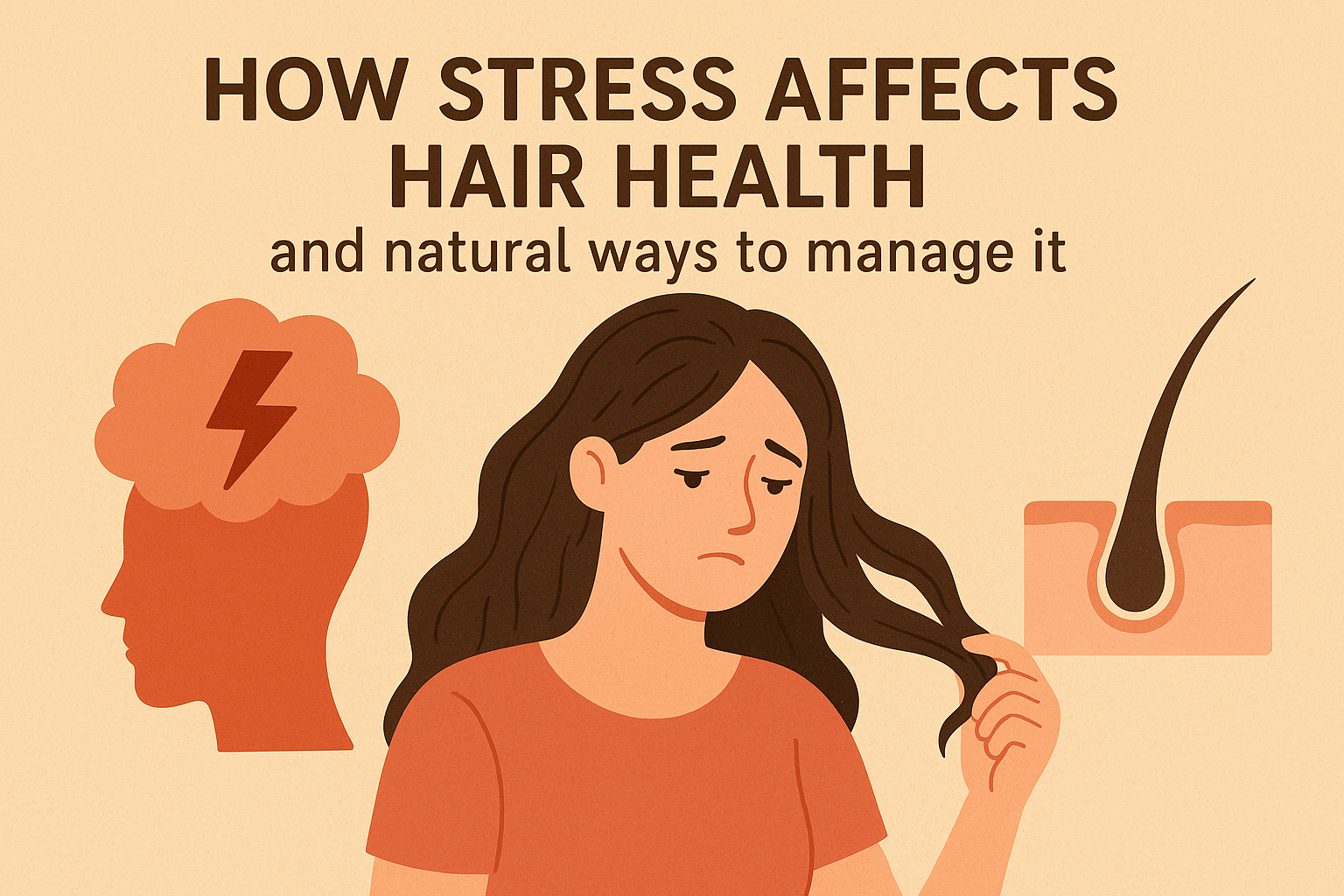
If you’ve noticed more strands in your brush after a tough season, you’re not imagining it. Stress is one of the most common, under-recognized triggers behind thinning and excessive shedding. The connection between stress and hair loss is real: when your body stays in “alert” mode, your scalp’s delicate growth cycle can falter, follicles can become less active, and strands may shed faster than they’re replaced. The encouraging part? Most hair fall due to stress is temporary and often reversible with a calm, consistent plan.
This guide explains the effects of stress on hair, how different types of stress show up on your scalp, and exactly what to do, naturally, to restore balance. You’ll also get a food plan, a daily routine, and clear expectations about timelines so you can rebuild healthy density and shine without guesswork.
Also Read: How to Use Flaxseeds for Healthier, Shinier Hair
Prepping Yourself to Address Stress-Related Hair Changes
Before you jump into solutions, set yourself up to choose the right ones:
1: Map your stressors: Note the top three pressure points in your life (workload, caregiving, finances, sleep). Match them to any hair changes you’ve seen in the last 8–12 weeks; the effects of stress on hair are often delayed.
2: Do a quick health inventory: Track sleep quality, hydration, and meal regularity for two weeks. Inconsistent basics can significantly magnify stress and lead to hair loss.
3: Spot the pattern of shedding: Diffuse thinning across the scalp points to telogen effluvium, while round patches suggest alopecia areata. Habitual picking or pulling indicates trichotillomania, another form of hair loss due to stress.
4: Check haircare habits: Heat, harsh detergents, and tight styles worsen shedding during high-stress periods.
5: Plan realistic changes: Choose 1–2 stress tools (breathwork + bedtime routine, for instance) and 1–2 scalp tools (oil massage + gentle shampoo). A slow, steady approach usually wins out over a total life overhaul.
Also Read: Difference Between Temporary and Permanent Hair Loss Explained
How Stress Disrupts the Hair Cycle (and What That Looks Like)
Hair grows in repeating phases: anagen (growth), catagen (transition), telogen (rest), and exogen (shedding). Chronic stress shifts more follicles into rest and shedding, creating visible volume loss.
1) Cortisol on Overdrive
Stress that drags on for days or weeks makes your system pump out extra cortisol, the body’s main stress signal. Too much for too long can cut the hair’s growth stage short, slow the start of new strands, and stir up scalp inflammation. Over weeks, ponytails feel smaller and part lines look wider, classic signs tying stress and hair loss together.
2) Less Blood Flow to the Scalp
When the body is under stress, it directs blood flow first to vital organs. When hair follicles receive less oxygen and fewer nutrients, hair may lose its shine, grow more slowly, and become brittle at the ends.
3) Immune Misfires
Emotional strain can coincide with autoimmune activity against follicles (alopecia areata). This typically shows up as smooth, round patches and may wax and wane with life stressors.
4) Behavioral Loops
With trichotillomania, pulling hair momentarily relieves tension but causes uneven loss and damaged stubble. This is a direct form of hair fall due to stress that benefits from both habit tools and soothing routines.
Early Warning Signs You Should Act On
1: Excess hair on pillows, shower drains, or brushes
2: Reduced ponytail circumference over 1–3 months
3: Widening part or more visible scalp under bright light
4: Short “baby hairs” around the hairline without overall density returning
5: Tender or tight scalp sensations during high-stress weeks
Acting early lets you reverse the effects of stress on hair faster.
Also Read: Is It Bad to Sleep with Wet Hair?
Natural Ways to Reduce Stress and Support Regrowth
Mind-Body Reset (Your Core Routine)
1: Box breathing (5 minutes, a.m. & p.m.)
Inhale 4, hold 4, exhale 4, hold 4, repeat. Regular breathwork switches your body from “fight-or-flight” to “rest-and-repair,” easing the loop between stress and hair loss.
2: Gentle movement (20–30 minutes daily)
Yoga, walking, or tai chi improves circulation and mood without spiking stress hormones.
3: Micro-breaks every hour and a half
Spending two minutes to stand, stretch, and drink water can relieve accumulated tension and help prevent hair fall caused by stress.
4: A nightly wind-down cue
Dim the lights, switch off screens, take a warm shower, then read or journal. A predictable signal primes deeper sleep and faster follicle recovery.
Scalp-First Care: Calm + Circulation
1: Warm oil massage, 2–3 times a week
Coconut, almond, or jojoba oil all work well. For an extra boost, mix in a drop or two of rosemary or peppermint oil for each teaspoon of carrier. Massage for about 5-10 minutes to encourage circulation, ease tightness, and support growth.
2: Mild cleanser, no harsh detergents
Go for a gentle, sulfate-free shampoo. Washing too often can dry the scalp; too rarely can lead to clogged follicles. Find a comfortable balance that keeps the scalp clean without stripping it.
3: Hands-off styling
Skip tight ponytails, heavy extensions, and frequent high heat while reversing stress and hair loss.
4: Weekly conditioning ritual:
Once weekly, apply a nourishing hair mask from mid-lengths to ends; rinse cool to seal.
Also Read: Is It Bad to Sleep with Wet Hair? Here’s the Truth
Nutrition to Steady Nerves and Feed Hair Roots
Hair roots are hungrier than we think; they rely on steady protein and a variety of micronutrients to stay strong. If your meals are balanced, your strands will thank you.
1: Protein power: Eggs, Greek yogurt, paneer or tofu, lentils, fish, or lean chicken. Include a palm-sized serving at each main meal.
2: Iron meets vitamin C: Combine spinach or lentils with fresh lemon, tomatoes, or bell peppers so your body can actually absorb the iron and send oxygen to follicles.
3: Zinc & selenium picks: A few nuts (especially Brazil nuts), a sprinkle of pumpkin seeds, or a serving of seafood can help repair hair tissue.
4: Omega-3s for calm: Fatty fish, walnuts, or a spoon of chia/flax can ease scalp inflammation.
5: B-vitamin helpers: Whole grains, greens, and eggs all support the energy pathways that power new growth.
6: Don’t forget water: Even mild dehydration can make stress-related shedding worse, so sip steadily through the day.
Better Sleep, Light, and Daily Rhythm
1: Aim for 7–9 hours: Your body does most of its repair work while you’re sleeping, including tiny fixes to hair follicles. Keeping bedtime and wake-up times consistent helps regulate stress hormones.
2: Catch the morning sun: Ten to fifteen minutes of natural light soon after waking can help your body clock run on time, which in turn supports deeper sleep at night.
3: Mind your caffeine intake: Avoiding coffee or tea before early afternoon can help you avoid the “wired but tired” feeling that disrupts rest and, indirectly, hair health.
Build a Stress-Smart Hair Plate (Practical Food Ideas)
Breakfast
1: Veggie omelet + whole-grain toast + orange wedges
2: Greek yogurt with berries, chia, and a drizzle of honey
3: Tofu scramble with spinach and tomatoes + avocado
Lunch
1: Quinoa bowl with chickpeas, cucumber, herbs, olive oil, and lemon
2: Grilled fish with brown rice and steamed broccoli
3: Lentil salad with roasted pumpkin seeds and peppers
Also Read: What vitamin deficiency causes hair fall the most?
Snack
1: A handful of walnuts + an apple
2: Hummus with carrots and cucumbers
3: Cottage cheese or paneer cubes with cherry tomatoes
Dinner
1: Baked salmon or trout, sweet potato, and asparagus
2: Stir-fried tofu with mixed veggies over soba noodles
3: Chicken and spinach khichdi with a side salad
These combos steady blood sugar, reduce cravings, and supply follicle-relevant nutrients that offset the effects of stress on hair.
A Daily Routine to Break the Cycle
Morning (10–20 minutes)
1: Box breathing or short meditation
2: Light mobility or yoga sun salutations
3: Protein-rich breakfast + water
Midday (5–10 minutes, twice)
1: Stretch break, short outdoor walk, sunlight
2: Tall glass of water or herbal tea
Evening (15–25 minutes)
1: Gentle scalp massage (oil on alternate days)
2: Warm shower; apply leave-in conditioner if needed
3: Screen-free reading or journaling
Night (8 hours total)
1: Set a consistent bedtime
2: Cool, dark room; phone outside the bedroom
This rhythm reduces stress reactivity and supports steady reversal of stress and hair loss.
Also Read: How long does it take for hair to grow back after hair fall?
Using Supplements Wisely (Only If Needed)
Food first. If lab tests or patterns from a diet reveal gaps, then targeted support can help:
1: Iron (only if deficient): Also known as haemoglobin, the main transport for oxygen, can be bad for you in excess, so do your research.
2: Vitamin D (only if low): May assist with cycling of hair and immune balance – processes influenced by stress-related hair fall.
3: Omega-3s: If you don’t eat fish, a quality supplement should be enough.
4: B-complex: Useful if you have low intakes or are in a high-demand state; try to get a balance of amounts.
5: Biotin: Used to a greater emphasis than for many; if you get enough protein and micronutrients from food, you will get enough from diet.
You don’t want to take megadoses (especially Vitamin A, selenium, and iron without a test), as it can worsen shedding and blind you to the stress of loss.
What a Realistic Regrowth Timeline Looks Like
1: Weeks 1–4: Shedding may continue while follicles reset; scalp may feel calmer with massage and breathwork.
2: Weeks 5–12: Shedding trends down; you’ll notice short “sprouts” along the hairline.
3: Months 4–6: Density gradually improves; fewer hairs in the shower.
4: Months 7–12: Length and fullness catch up as more follicles return to anagen.
Because hair grows in slow, repeating cycles, what you do regularly matters more than any intense, one-off effort. That’s why sticking to steady habits usually works better than chasing quick fixes when you’re trying to undo stress-related hair loss.
Cautious haircare while recovering
1: Washing schedule: For most people, every two to three days works well. Adjust as needed for climate and daily activity.
2: Detangling: Wide-tooth comb, start at ends, work upward.
3: Heat: Low/limited; air dry partially first if you blow dry.
4: Color/chemical services: Space out appointments and use bond-building treatments.
5: Protective styles: Loose braids or buns; avoid constant tension that can add hair fall due to stress on fragile roots.
Also Read: What are the early signs of hair thinning?
Conclusion
Stress affects far more than mood; it touches sleep, appetite, immunity, and your hair. The effects of stress on hair typically unfold quietly over weeks, then announce themselves as shedding, dullness, or a widening part. The flip side is just as true: calm routines, nutrient-dense meals, gentle scalp care, and consistent sleep steadily reverse hair fall due to stress and restore growth.
You don’t need a perfect plan. You need a repeatable one. Choose a breath practice, a short daily walk, a weekly scalp massage, and protein-rich meals. Give it time. As your nervous system settles, follicles follow. With patient consistency, most people see the cycle of stress and hair loss give way to stronger, fuller, more resilient strands.
FAQs
Can stress alone cause noticeable shedding?
Yes. Stress can push many follicles into rest, causing diffuse shedding typical of telogen effluvium.
How soon after a stressful event does hair fall start?
Hair fall often appears 6–12 weeks after illness, emotional strain, or major life changes due to hair cycle lag.
Is stress-related hair loss permanent?
Usually not. With better sleep, nutrition, and routines, hair often recovers over 6–12 months.
What daily habit helps the most, realistically?
Consistency matters. Five minutes of breathwork twice daily, plus a 20-minute walk, lowers stress and supports circulation.
Which oils are best for scalp massage?
Use coconut, almond, or jojoba as carriers; add a drop of rosemary or peppermint per teaspoon. Massage reduces stress-related hair fall.
Do I need supplements to regrow hair?
Not always. Prioritize protein, iron + vitamin C, omega-3s, and B-vitamins. Supplement only to fix proven gaps.
Can tight hairstyles make stress shedding worse?
Yes. Tight ponytails or braids add strain. Opt for loose, low-tension styles while recovering.
How important is sleep for regrowth?
Essential. Deep sleep on a regular basis helps stabilize hormones and helps with tissue repair. Creating a calm nightly routine is one of the easiest ways to alleviate stress-related hair shedding.
What if shedding hasn’t improved after 6 months?
Check basics, diet, water, rest, gentle care and get bloodwork. Iron, thyroid, or scalp issues may prolong shedding.
Can mindfulness really change my hair?
Yes. Lower stress through mindfulness improves scalp circulation, extends growth phases, and reduces hair fall.
Are you sick of looking at your hair being lifeless, frizzy, or breaking off while you spend tons of money on products? The problem is that most haircare products only work on the surface level, giving you a temporary shine without truly nourishing your scalp or strengthening the follicles.
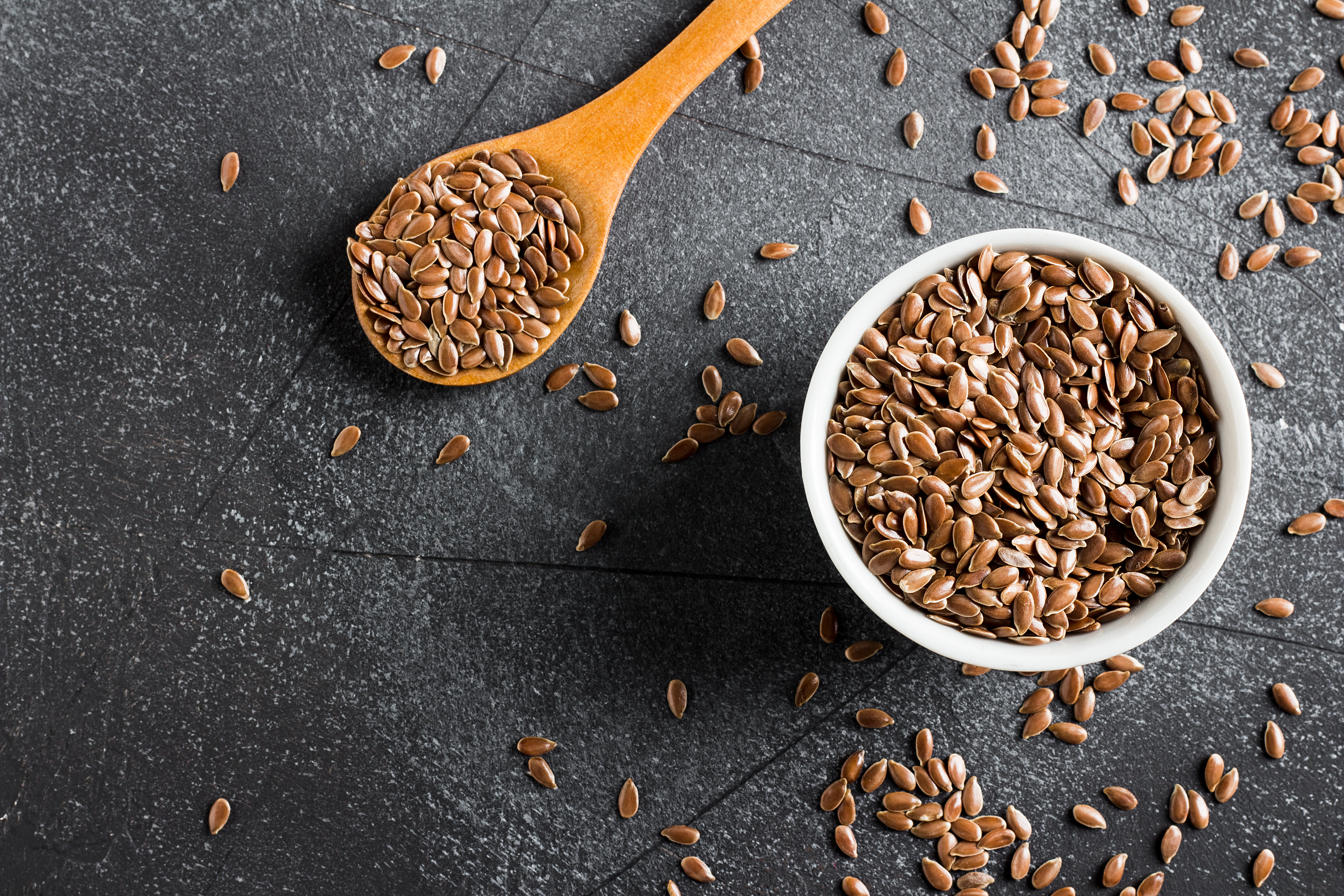
Flaxseeds for hair growth are becoming recognized for a good reason. These small golden or brown seeds are packed with Omega-3 fatty acids, antioxidants, and proteins that all work together to mitigate dryness and breakage of the scalp, while boosting healthy, sturdier hair shaft development.
Using flaxseeds for hair, whether as a topical flaxseed gel for shiny hair, or even to consume, will hydrate, protect, and also improve the overall texture of your hair, creating natural shine and resilient hair over time.
Also Read: Difference Between Temporary and Permanent Hair Loss Explained
Advantages of Flaxseed for Hair
Using flaxseeds for hair growth and thickening hair is not just a trend. They contain properties that improve blood circulation and give you shine, while also strengthening your strands over time.
Contains Omega-3 Fatty Acids for Stronger Strands
Flaxseed is one of the best plant sources of Alpha-Linolenic Acid (ALA), an Omega-3 fatty acid that provides nourishment to the hair follicles from the inside out.
1: Encourages blood circulation to the scalp for ideal hair growth.
2: Calms dry scalp and itching.
3: More resilience from root to tip.
The Lignans and Antioxidants that Defend the Hair Follicle
The antioxidants from flaxseeds help to protect the hair from oxidative stress, while also enabling the hair follicles to remain healthy and functional.
1: Protects hair from environmental damage.
2: Supports scalp health.
3: Calms irritation and inflammation.
Plant Protein that Provides Structural Support for Hair
The hair needs protein to stay thick and strong, and flaxseed provides that in plant protein.
1: Increases keratin forms.
2: Increases volume in thinning hair.
3: Maintains hair density over time.
Also Read: Is It Bad to Sleep with Wet Hair?
The Science behind flaxseeds for hair growth
Nutrition science supports the positives of flaxseeds for hair growth because internal actions of the active compounds act on the scalp (where healthy hair grows), and the hair shaft, promoting good conditions for growth, less breakage, and increased shine.
Omega-3s Reduce Inflammation of the Scalp
Inflammation of the scalp can clog hair follicle pathways and shorten hair growth phases. When ALA (Alpha-Linolenic Acid) foods, such as flaxseeds, are ingested, the anti-inflammatory compounds in the diet will yield a healthier environment for the scalp that:
1: Keeps follicles open and fully engaged
2: Ensure nutrients get delivered to the roots more effectively
3: Promotes healthy growth long-term, steadily.
Antioxidants Guard Against Follicle Cell Damage
Free radicals can damage hair follicle cells, leading to thinning hair. Flaxseeds contain lignans and vitamin E, two potent antioxidants with strong benefits for life stages:
1: Slows hair-aging processes
2: Guards against oxidative stress impacting the follicles
3: Maintains shine and elasticity.
Also Read: Is It Bad to Sleep with Wet Hair? Here’s the Truth
Moisturizes (For Shiny Hair)
When made from flaxseeds, the gel will coat each strand with natural mucilage (a gel-like substance that prolongs hairstyling), allowing it to retain moisture:
1: Less potential for frizz and dry out of hair.
2: Smoothes out the hair’s outer layer and produces shine by reflecting available light.
3: Leaves hair manageable and soft.
How To Use Flaxseeds for Hair
Knowing how to use flaxseeds for hair is the difference between just adding them to your kitchen cabinet and seeing real results with hair growth, shine, and strength. Flaxseeds can be consumed for internal benefits or applied topically for external benefits to the scalp and hair.
Consume Flaxseeds for Hair Growth
When taken regularly, flaxseeds provide good hair health from within the body, with essential fatty acids, proteins, and antioxidants.
1: Use ground flaxseeds for greater absorption.
2: 1–2 tablespoons is usually considered safe for adults daily.
3: You can add flaxseeds to smoothies, salads, oatmeal, baked items, etc.
Homemade Flaxseed Hair Mask
When you use flaxseeds as a mask, it can directly benefit the scalp and deeply condition hair strands at the same time.
1: Boil the flaxseeds in water until they form a thick gel-like texture.
2: Let it cool, and then apply from roots to tips.
3: Let it sit for 20–30 minutes, and then rinse off.
Also Read: What vitamin deficiency causes hair fall the most?
Make a Flaxseed Gel for Shiny Hair
One of the most well-known ways to get immediate softness and shine in hair, while protecting the hair shaft.
1: Simmer the flaxseeds in water until you have a gel-like texture.
2: Strain it out, let it cool, and store it in the fridge for one week maximum.
3: You can apply the flaxseed gel to damp hair to help lock in moisture and tame frizz.
How to get the Best from Flaxseeds
Using flaxseeds for hair growth will work best with regular use and the correct practices. You can change many ways that you store, eat, and use flaxseeds for significant improvement. Use our easy tips to maximize the potential of each flaxseed!
1: Make sure the flaxseeds you are eating are fresh and high-quality to maximize their full nutrient spectrum.
2: Store sifted flaxseeds in an airtight container and a cupboard out of sunlight and heat.
3: For your best chance of absorbing nutrients from flaxseeds, remember to grind the seeds before eating.
4: Don’t cook flaxseeds at really high temperatures; high heat diminishes the quality of flaxseeds.
5: Always do a patch test first to check for a reaction before applying gel or masks to your scalp!
6: Mix floating flaxseed gel for shiny hair with aloe vera or coconut oil to give your hair an added shine!
7: The best references are to limit the consumption of flaxseeds to 1 -2 tbsp unless you have been contraindicated by your physician.
8: When applying freshly prepared flaxseed gel, it is best done on damp hair so you can prevent frizz and also achieve tangle-free smoothness.
9: Remember to be consistent for 8 – 12 weeks (sometimes people end up forgetting once all the reviews come out) before expecting to see significant changes.
10: Flaxseed will generate more of a benefit if it is paired with a healthy, balanced diet, adequate hydration, and gentle hair care.
Follow these recommendations and you will be able to nourish your scalp, strengthen hair neatly, while adding lasting shine naturally, without relying on a plethora of chemically-filled products!
Also Read: How long does it take for hair to grow back after hair fall?
Flaxseed Facts for Hair: Breaking Common Myths
Though many swear by the benefits of flaxseeds for their hair growth and shine, myths regarding flaxseeds can give rise to unrealistic expectations. Here, we’ve broken down the common myths:
1: Flaxseeds will not make your hair grow overnight! You’ll only notice results after using it consistently for several weeks.
2: Simply eating more flaxseeds will not produce a faster-growing head of hair! The body will experience digestive discomfort if you consume too much flaxseed, so 1-2 tablespoons a day is sufficient for most people’s needs.
3: Flaxseed gel for shiny hair improves smoothness and hydration, but flaxseed gel cannot replace medical treatment for genetically more unmanageable hair loss or scalp conditions.
4: It’s best to know how to use flaxseeds for hair in both dietary and topical care, so you can be more effective instead of using just one or the other.
5: Golden flaxseed and brown flaxseed contain similar nutritive qualities, so you will have similar benefits from either variety.
By knowing the facts above, you can be more productive in using flaxseeds and maintain your motivation to incorporate them into your longer-term hair care routine!
Flaxseeds are Safe and Smart for Hair Care
Using flaxseeds, whether for hair growth or nutrition, is easy and safe when used properly to not irritate the body. By using some commonsense steps, you can be sure you are getting all of the benefits flaxseeds can provide without irritation.
The following tips are critical considerations:
1: Most adults can comfortably use 1-2 tablespoons a day.
2: To ensure you get the full benefit, flaxseeds should be ground to get full nutrient absorption.
3: Also, flaxseeds are high in fiber, and therefore, while consuming flaxseeds, it is important to balance the intake with proper hydration.
4: If you’re pregnant, breastfeeding, or taking medications, be sure to contact your doctor to consult about the flaxseeds and what extent you should consume them.
5: As a precaution, you can always patch test flaxseed gel before applying it to your scalp. This will ensure you have shiny hair without using flaxseed gel as a supplement to your regimen.
6: Keep flaxseeds in an air-tight container away from heat and sunlight.
7: To get the best Omega-3 and antioxidants from flaxseeds, use fresh seeds because they’ll have the highest numbers.
8: If you make your flaxseed gel, you should always store it in the refrigerator and throw it out after a week to ensure freshness.
9: Also, always be careful not to overheat materials because the delicate fatty acids may be liquified.
Knowing how to use flaxseed for hair properly can nourish your scalp, strengthen your hair, and make your hair naturally shine, helping it to be a good part of your healthy hair care plan.
Also Read: What are the early signs of hair thinning?
Conclusion
Flaxseeds for hair growth can nourish your scalp, fortify strands, and also bring natural shine to your hair. Flaxseeds are packed full of Omega-3s, antioxidants, and proteins to add a dietary boost and as a flaxseed gel for shiny hair.
When you learn how to use flaxseeds for hair regularly, either in your diet daily or as a gel, you’ll start to notice how it improves your hair quality over time. With time and commitment, these tiny seeds can help to naturally bring you healthy, strong, shiny hair.
FAQs
Can flaxseeds change hair texture?
No, but they can enhance your natural pattern by adding moisture and softening..
Can roasted flaxseed add any benefit to hair?
A light roasting is not a problem, and roasting at a high temperature lowers the number of Omega-3 nutrients.
Can flaxseeds reduce dandruff?
Yes, flaxseed has anti-inflammatory properties and can add moisture to the scalp, which can soothe and nourish it.
Are there any side effects from using flaxseed gel?
No, very rarely do people have any side effects. The most common side effect is mild itching. Just do a patch test before applying it widely.
Can children take flaxseeds?
Yes, they can, but in small amounts (check with your child’s pediatrician before using in their diet).
How long do I have to keep flaxseed gel on my hair?
On average, 20-40 minutes; however, based on our results, flaxseed gel can also be used as a light leave-in.
Can flaxseed gel mix with other things?
Yes, because flaxseed gel is food-based, it mixes well with aloe vera, honey, or oils.
What kinds of hair types are best for flaxseeds?
All hair types can benefit from using flaxseeds, but most results will be seen on curly and dry hair.
How often do I reapply flaxseed gel?
Flaxseeds can be reapplied daily or every other day, on damp hair.
Can flaxseeds protect from heat?
Flaxseeds can help to reduce moisture loss while creating a style, but they do not take the place of heat protectants.
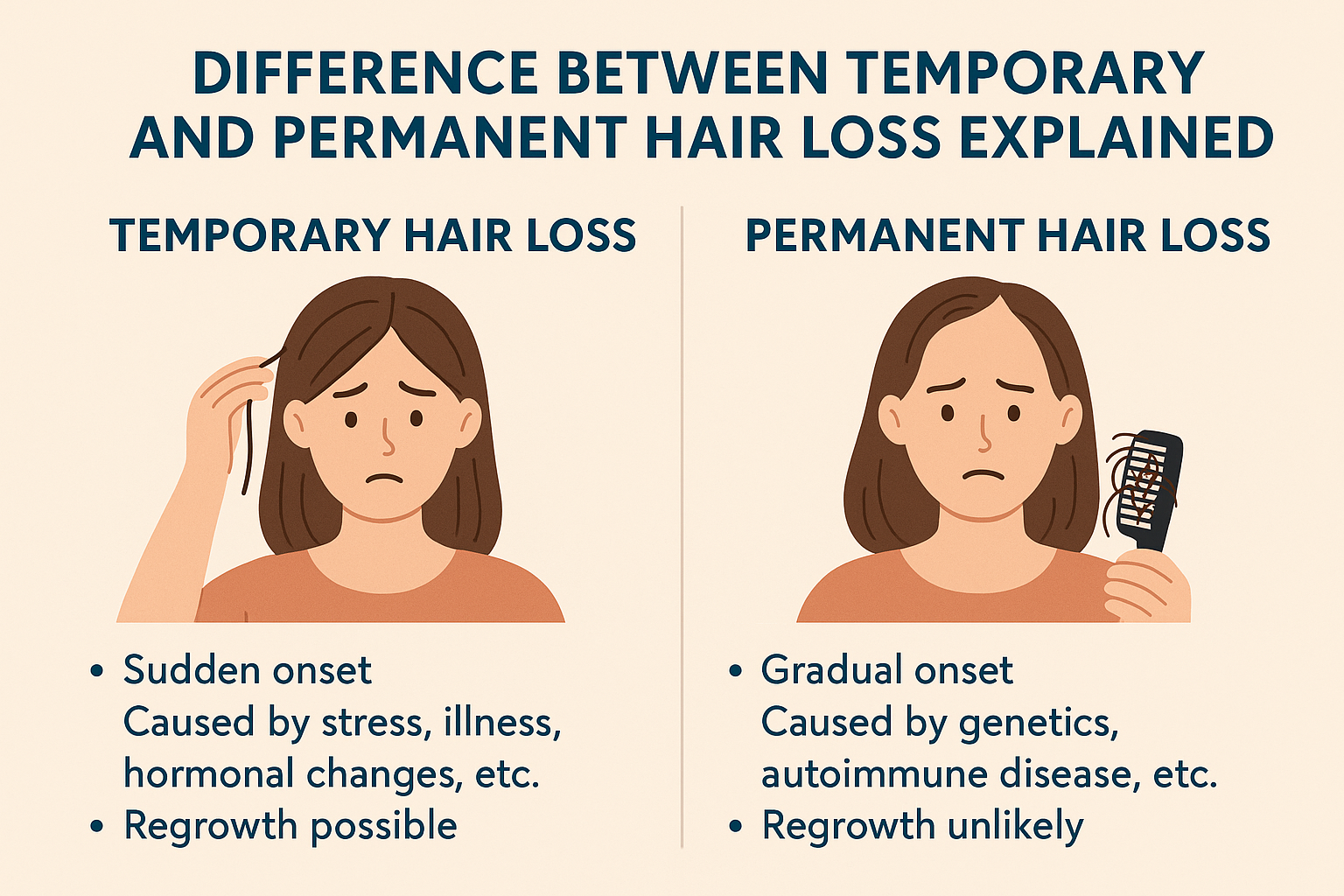
Imagine you’ve had an exhausting day, you unwind and get into bed, and just like that, you notice that more hair than normal has shed on your pillow and in the shower drain. You panic and wonder if this is temporary hair loss or permanent? Learning about the different types of hair loss is the first part of knowing what to do and how to protect your hair.
Learning about the signs of temporary hair loss from permanent thinning is important because your response time will affect your current level of hair loss. The involvement of temporary hair shedding, with proper treatment, can stop the shedding; however, to address the causes of permanent hair loss, it is crucial to treat it promptly for the health of your hair. With sound knowledge and the right actions, you will keep your hair healthy, strong, and have good confidence.
Also Read: Is It Bad to Sleep with Wet Hair?
Understanding the Distinction Between Types of Hair Loss
Millions of people experience hair loss; however, hair loss is not equal. By understanding the different types of hair loss, you can understand whether you are experiencing temporary or permanent hair loss, and ultimately help guide you with the appropriate intervention if desired.
Common types of hair loss include:
Telogen Effluvium
It is often a temporary type of hair loss that occurs when stress, illness, or a hormonal change forces your hair to shed sooner than it normally would. In telogen effluvium, if the cause of the hair loss is treated, new hair will likely regrow as it typically would.
Alopecia Areata
An autoimmune disorder that causes sudden patchy hair loss. In many cases, with treatment and care, regrowth is possible.
Androgenetic Alopecia
It is also known as male or female pattern baldness, which is a permanent condition that has a genetic and hormonal component to it.
Scarring Alopecia
This is rare, but permanent. Scarring Alopecia occurs as a result of the destruction of hair follicles because of inflammation or damage.
By understanding these types of hair loss, you should be able to recognize the signs of temporary hair loss sooner and determine whether the causes of permanent hair loss could be at play. When you are aware of normal shedding and unique patterns with how your hair behaves, you are in the best position to protect and maintain the greatest amount of hair possible.
Also Read: Is It Bad to Sleep with Wet Hair? Here’s the Truth
Identifying Temporary Hair Loss
Temporary hair loss can be disconcerting, but if you understand the signs of temporary hair loss, you can respond appropriately and with a cool head. In contrast to permanent thinning, which is permanent, temporary shedding is likely to return to normal when the underlying cause has been addressed.
These are common signs of temporary hair loss:
1: An Increase in Shedding. The first signal is that you notice you’re shedding more hair than you are used to, on your pillow, your comb, or your shower drain.
2: Diffuse Thinning. Hair is thin across the scalp rather than in one or two patches; the entire hair structure looks thinner.
3: Visible regrowth. After about 6 weeks or so, you will likely see fine, new hairs start to grow.
4: Stress and Illness. Most temporary shedding follows a time of either physical or emotional stress, major illness, or changes in medication.
Identifying these signs early will enable you to make some changes, like improving your nutrition, reducing stress, or perhaps changing medications, so that your hair can return to a normal growth pattern. Most importantly, temporary hair loss is typically reversible, so you have a clear path back to healthy hair, which is a motivational consumer experience.
Reasons for Temporary Hair Loss
Temporary hair loss can have numerous causes, but fortunately, most are reversible after being addressed. By identifying triggers, you can take proactive steps to restore healthy hair.
Some of the most common triggers for temporary hair loss include:
1: Stress or Emotional Trauma: High stress levels have been shown to push hair follicles into the shedding stage.
2: Hormonal Changes: Pregnancy, childbirth, menopause, and/or low thyroid function are common causes of temporary shedding.
3: Serious Illness or Surgery: Serious illness, infection, or surgery can alter the hair growth phase and cause shedding.
4: Medicines: Some medicines, such as chemotherapeutic agents, anticoagulants, and some antidepressants, can impact hair loss.
5: Nutritional Deficiencies: Low levels of iron, protein, or other vitamins can weaken hair and lead to shedding.
6: Extreme Weight Loss: Extreme weight loss and rapid loss may change the ability to absorb nutrients, which could interfere with hair growth.
7: Physical Trauma: Excessive styling, excessive heat, and/or chemicals can cause temporary damage to the hair, resulting in shedding.
Most scenarios of temporary hair loss will get better or reverse when the cause is removed. Be aware of these causes, and with simple and small changes in lifestyle, you can significantly improve the health of your hair, along with regrowth.
Also Read: What vitamin deficiency causes hair fall the most?
Reasons for Permanently Losing Hair
Permanent loss of hair occurs when the follicles can no longer produce hair, or because genetics produces long-lasting thinning. Identifying the cause of permanent hair loss can expose risk factors that could harm the quality of your hair early enough to take preventative measures to keep your hair.
The most common causes of permanent hair loss include:
1: Androgenetic Alopecia: The genetic predisposition toward the DHT hormone causes progressive hair follicle thinning.
2: Scarring Alopecia: Inflammation, such as in lupus, destroys hair follicles and is irreversible.
3: Autoimmune Conditions: In palpable form, alopecia areata can cause irreversible damage to hair follicles.
4: Trauma or Injury: Burns, wounds, or surgical scars can destroy hair follicles in the area.
5: Chronic Infections: Fungal infections or bacterial infections of the scalp that persist chronically can result in significant and permanent damage to hair follicles.
6: Medical Treatment: As with radiation, radiation treatment can render an area of irreversible hair loss, skin alone (area treated).
Often, permanent loss of hair will progress if left untreated and cannot be reversed, but immediate detection, suitable treatment, and hair restoration strategies can slow progression or promote limited regrowth that the individual can use to achieve a thicker, healthier look.
How to Diagnose Hair Loss
An accurate diagnosis is critical to figuring out if you have temporary vs permanent hair loss and selecting the appropriate treatment. A technician’s inspection can pinpoint the real culprit and keep it from spreading.
Routine diagnostic techniques are commonly used.
1: Medical History Review: Your physician will ask about family history, recent illness, medications, diet, and stress.
2: Physical Scalp Exam: Identifies characteristics, inflammation, or scarring of known distinct types of hair loss.
3: Pull Test: gently pulls a few hairs to see how easily they come loose.
4: Blood Tests: detect hormonal, thyroid, or nutrient deficiencies typical of temporary hair loss symptomatology.
5: Scalp Biopsy: A small piece of scalp skin is microscopically examined to confirm scarring or inflammatory disorders on it.
6: Dermatoscopy: It uses a handheld device to look at the follicle and assess the condition of the hair.
An accurate diagnosis will help not only to clarify if you are experiencing temporary, non-scarring hair loss or permanent hair loss, but it will also ensure that any treatment you start is safe, precise, and effective. The earlier you act, the better the odds are of saving your hair.
Also Read: How long does it take for hair to grow back after hair fall?
Effective Solutions to Restore Healthy Hair and Maintain Healthy
No matter whether one is facing temporary or permanent (androgenetic) hair loss, there are many approaches that can be taken to restore/ protect healthy hair. Typically, the best results arise from a combination of changing lifestyles, medications, and personal hair care.
In the case of Temporary/Avoidable Hair Loss:
1: Nutrition: Make sure to get enough protein, iron, zinc, biotin, vitamins A, C, D, and E.
2: Stress Management: Practice stress management strategies such as yoga, meditation, and relaxation to slow your hair shedding.
3: Low Intervention: Avoid heat, chemicals, and tight styles
4: Topicals: See if mild minoxidil, or a natural serum might stimulate regrowth
5: Cause: Address hormones, thyroid, or other nutrient issues, fast.
In the case of Permanent Hair Loss:
1: Medications: Finasteride (in men) or minoxidil may allow hair loss from androgenetic alopecia to slow down
2: Hair Restoration: FUE or FUT surgery can restore fullness.
3: Laser Treatments: Low-level laser treatments (LLLT) may provide stimulation of hair follicles in patients with androgenetic alopecia
4: Scalp Micropigmentation: Provides the illusion of fuller hair in patients.
Even for permanent balding, combining medical treatments with healthy habits and scalp care will still help you achieve the maximum results and feel good about yourself.
Conclusion
Whether hair loss is temporary or something permanent in nature, knowledge is your best friend. Knowing how to recognize the early signs of temporary hair loss and how to address the reasons for permanent hair loss, here are a few things you can already do to protect and potentially restore your hair.
If you can detect hair loss early enough and have the right treatment and a care plan in place. With an early diagnosis, treatment, and support, it is possible to achieve healthier and stronger hair. Don’t wait to see how bad the shedding will get, but if you are losing your hair, nourish your scalp, try to control your stress, and seek evidence-backed solutions to stop hair shedding. The sooner you begin working on your hair’s future, the better.
Also Read: What are the early signs of hair thinning?
FAQs
Can hair loss occur from seasonal changes?
Yes, seasonal changes often result in shedding, which many people notice especially in the fall and spring.
Can hair loss come from shampoo being used often?
No, frequency of shampooing doesn’t make hair fall; it can only remove the hair that is already shedding.
Can long-term use of hats or helmets cause baldness?
Long-term friction or pressure can cause breakage; however, it is rarely damaging to hair follicles permanently.
Is dandruff associated with hair loss?
Dandruff does not cause hair loss, but the scratching that is sometimes associated with itching can weaken hair shafts.
How does age affect our hair density and growth?
The density of hair is naturally thinner and may grow more slowly with age due to less follicle activity.
Can exposure to chlorine in swimming pools affect our follicles?
Chlorine can weaken hair shafts and dry the scalp, but it doesn’t ever kill follicles.
Is sleeping position one of the causes of hair loss?
Not in itself, but sleeping position can lead to consistent friction with the pillow against the same areas of your head, which may result in breakage.
Are there subtle changes beforehand to noticeable thinning?
Yes, often people notice subtle changes in hair texture, volume, or even the width of the part prior to being able to see thinning.
Can scalp massages help with hair loss?
They might improve circulation and scalp health, which could encourage hair growth, but won’t reverse genetic loss.
Can poor blood circulation cause baldness?
Poor circulation might weaken follicles, but it almost always causes only a portion of hair loss.
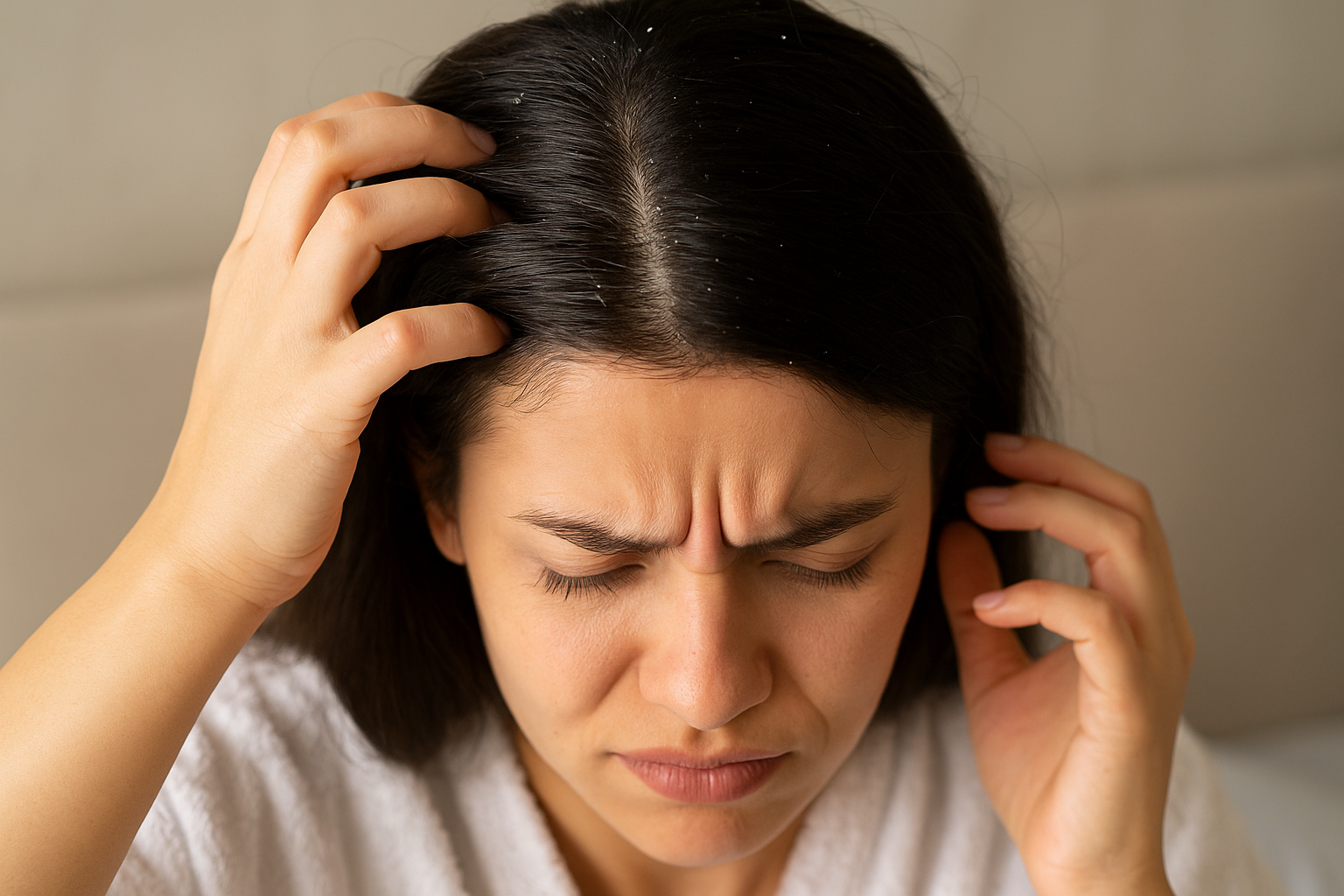
We’ve all done it. You wash your hair late at night, you’re too tired to bother drying it, and you crawl into bed with damp strands. At the moment, it feels harmless. Maybe even comforting. The next morning, though? Your hair is doing its own thing, and not in a good way. The bigger question is whether it is bad to sleep with wet hair or if it can actually damage your hair and scalp.
Also Read: How often should you oil your hair for hair growth?
Why Wet Hair Is More Fragile
Hair isn’t at its strongest when it’s wet. The cuticle, which is the outer protective layer, softens and lifts slightly, which makes each strand weaker. When you roll around on your pillow, the friction against wet hair is harsher than you think. That’s why you might notice extra frizz, strange kinks, or even little pieces of hair breaking off.
One night here and there probably won’t ruin your hair, but if you keep doing it, the damage builds. Ends split faster. Strands tangle easier. And over months, your hair can look thinner just from all the breakage.
The Scalp Story Nobody Talks About
The other part of this isn’t just about your strands. Your scalp matters too. Imagine going to bed with damp roots pressed against a pillow for eight hours. It’s warm, it’s dark, and it stays moist longer than you think. That’s the kind of setup yeast and bacteria love.
Does it mean you’ll wake up with dandruff overnight? No. But if you already deal with scalp issues like flaking or itching, this habit can make things worse. Some people even notice a musty smell if their hair never fully dries. Not glamorous.
Also Read: What vitamin deficiency causes hair fall the most?
The Cold Myth
Let’s get one thing out of the way: sleeping with wet hair doesn’t make you catch a cold. That’s an old wives’ tale. Viruses cause colds, not damp hair. The real risks are breakage and scalp imbalance. So if your grandmother scolded you for catching a chill, she had the right instinct, but for the wrong reason.
Who Really Needs to Be Careful
Not everyone’s hair reacts the same way. If you have short, straight hair, you might barely notice. But if your hair is long, curly, bleached, or fine, you’ll see the effects quicker.
Fine or bleached hair: breaks easily, so it won’t hold up well against the friction.
Curly or coily hair: tangles when wet and loses definition by morning.
People with scalp problems: wetness overnight can throw the scalp even more out of balance.
Basically, the more fragile your hair already is, the less forgiving this habit becomes.
Also Read: How long does it take for hair to grow back after hair fall?
How to Make It Less Damaging
Sometimes you’re just not going to stand in front of a blow dryer at midnight. I get it. Life happens. If you absolutely have to sleep with damp hair, at least stack the odds in your favor:
1: Towel-dry as much as you can. Microfiber towels work better than rough cotton ones.
2: Switch your pillowcase to silk or satin. Less friction, less frizz.
3: Loose braid or bun. Don’t pull it tight, just enough to keep it contained.
4: Go easy on heavy products. Wet hair plus oils and creams can suffocate the scalp overnight.
5: At least half-dry your roots with a cool setting on a dryer. Even five minutes helps.
None of this makes it perfect, but it makes the morning a lot kinder.
Air Drying vs. Sleeping Wet
Some people confuse “air drying” with “going to bed wet.” Not the same thing. Air drying in the evening gives hair time to settle, and that’s usually great. Sleeping with wet hair means trapping moisture against your head for hours. That’s the part that does the damage. A simple fix is washing earlier in the evening if you can, so your hair dries naturally before bed.
Does It Ever Work Out?
Here’s the exception: styling tricks. Plenty of people braid damp hair before bed to wake up with waves. That’s fine if it’s done gently and the hair isn’t dripping wet. A loose braid, a silk scrunchie, maybe a little leave-in conditioner, and you can get nice texture without heat. The problem is when people mistake that for a shortcut to skip drying altogether.
Also Read: What are the early signs of hair thinning?
Conclusion
So, is it bad to sleep with wet hair? Not the end of the world, but not the best habit either. Hair is weaker when wet, and sleeping on it night after night only speeds up breakage and frizz. The scalp doesn’t love it either. Doing it occasionally won’t ruin you, but making it routine will catch up with you over time.
If you can, give your hair at least a little drying time before bed. And if you do go to sleep with it damp, protect it with a braid or a silk pillowcase. Small habits add up, and your hair will thank you in the long run.
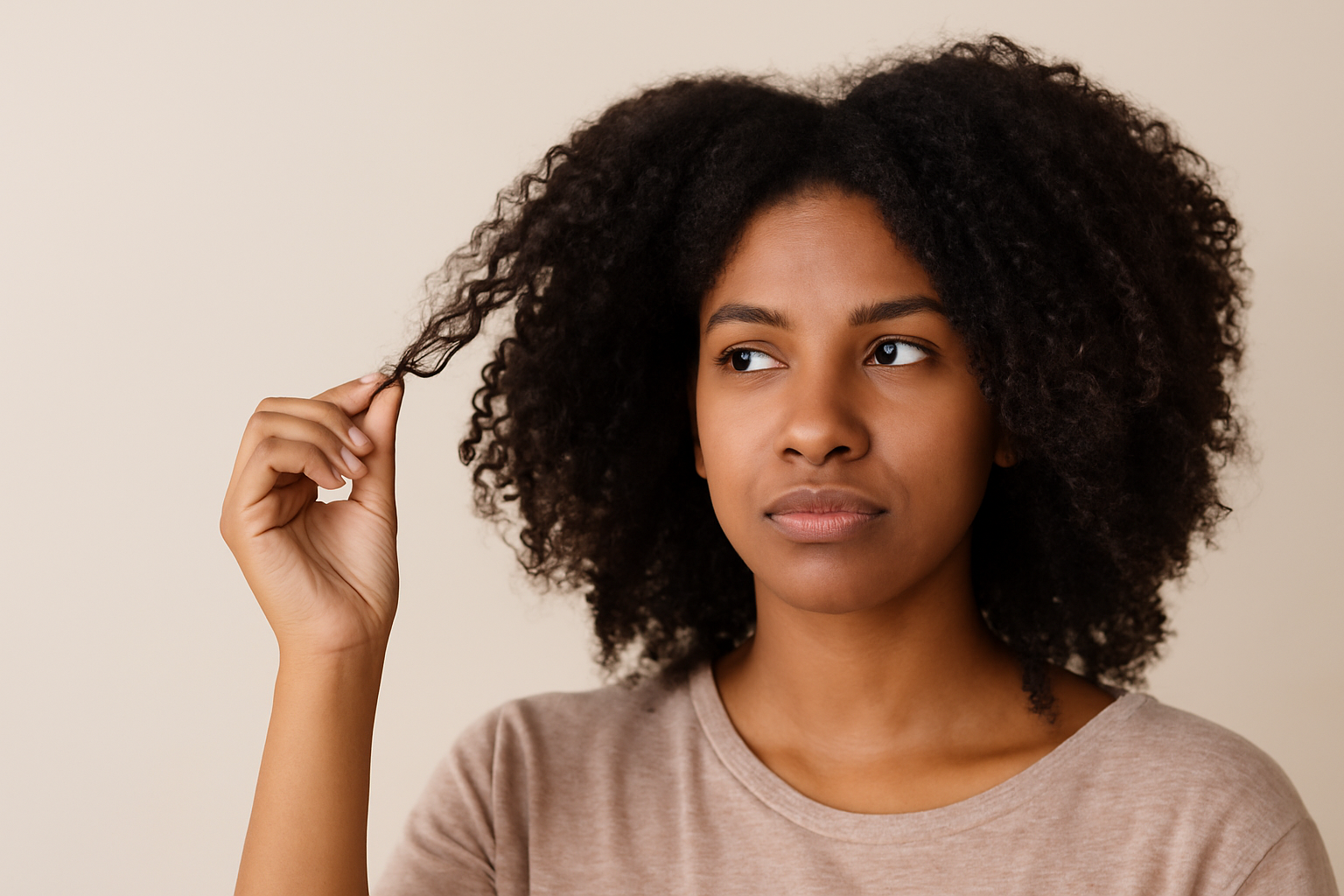
If you have curly hair, you already know it doesn’t behave like straight hair. Curls are fun, they’re bold, and they stand out, but they’re also delicate. The same twists that make curls bounce are the spots that make them break. That’s why trims matter more for curly hair than most people realize. The hard part is figuring out How Often Should You Trim Curly Hair to Prevent Breakage. If you trim too much, you feel like your hair never grows. If you wait too long, you end up fighting frizz, tangles, and breakage that travels up the strand. So what’s the sweet spot?
Also Read: How long should you leave a hair mask on?
Why Curls Need More Care
Curly hair dries out faster than straight hair. Natural oils from the scalp have a tough time moving down the bends of each strand. By the time they reach the ends, the cuticle is already thirsty. Add in humidity, brushing, or heat styling, and those ends wear down quickly. That’s where you see split ends and frizz.
And unlike straight hair, damaged curls don’t just look a little rough. They lose shape. A curl that once coiled neatly can suddenly look stretched, frayed, or limp. Regular trims stop that from happening before the damage spreads.
How Often Should You Trim your Curly Hair?
Most stylists will say every 8 to 12 weeks is a good window. But here’s the thing: it’s not the same for everyone.
1: If your curls are fine, color-treated, or you use heat a lot, closer to 8 weeks is safer.
2: If your curls are thick, strong, and you rarely style with heat, you can stretch it closer to 12 weeks.
The number isn’t magic. Your hair will tell you when it needs a cut. You just have to listen.
Also Read: What happens if you don’t wash your hair for a week?
Signs Your Curls Are Begging for a Trim
You don’t always need a calendar to remind you. Look at your hair:
1: Are the ends rougher than the rest?
2: Do your curls look uneven or lose their bounce?
3: Is detangling taking forever?
4: Do you see frizz that no product seems to tame?
If you nodded yes to more than one of these, that’s your cue. Waiting only makes the split ends crawl higher, which means more length has to be cut off later.
Different Curl Patterns, Different Timelines
Curls aren’t all the same. Someone with waves will have a different trimming routine than someone with coils.
1: Wavy hair (type 2) can often go longer, maybe 12 weeks, before needing a trim.
2: Curly hair (type 3) usually does best around 8 to 10 weeks.
3: Coily hair (type 4) is more fragile, so trims every 6 to 8 weeks can keep breakage from taking over.
But don’t get hung up on numbers. Two people with the same curl type can have totally different needs based on how they care for their hair.
Also Read: Why do I get dandruff even after washing my hair?
Why Trimming Actually Helps You Grow Length
Here’s where a lot of curly-haired people hesitate. They want long hair, so they avoid the scissors. It makes sense — until you realize breakage is stealing your length anyway.
Think of it like this: if your ends are splitting and snapping, your hair is technically growing, but you don’t see it because it keeps breaking off. By trimming regularly, you sacrifice half an inch so the other 10 inches can survive. It feels like a setback, but in the long run it helps your hair actually look longer and healthier.
Stretching the Time Between Cuts
If you’re trying to hold onto every bit of length, there are ways to make trims last longer without letting damage get out of control:
1: Keep curls hydrated with leave-in conditioners and creams.
2: Detangle gently with your fingers or a wide-tooth comb.
3: Sleep on satin or silk pillowcases so your ends don’t snag and dry out.
4: Keep heat styling minimal. Even one flat iron session can undo weeks of careful care.
5: Try protective styles, but don’t pull them too tight.
These habits don’t replace trims, but they slow down the wear and tear. That way you might be able to go 10 or 12 weeks instead of rushing to the salon every month.
Also Read: Should you apply conditioner on scalp?
A More Flexible Way to Think About It
Instead of treating trims like strict appointments, think of them as maintenance checks. Your car doesn’t always need an oil change exactly on the date printed on the sticker. Sometimes you go sooner, sometimes later. Hair is the same. If it looks healthy, keep going. If it starts showing signs of stress, cut it back.
Conclusion
Curly hair needs trims more often than straight hair, but how often depends on your texture, habits, and overall health of your strands. As a general rule, somewhere between 8 and 12 weeks works for most people. The goal isn’t to cut for the sake of cutting, but to protect your curls before breakage takes over. A small trim now saves you from a big chop later. Listen to your hair, give it regular resets, and your curls will reward you with strength, shape, and length over time.